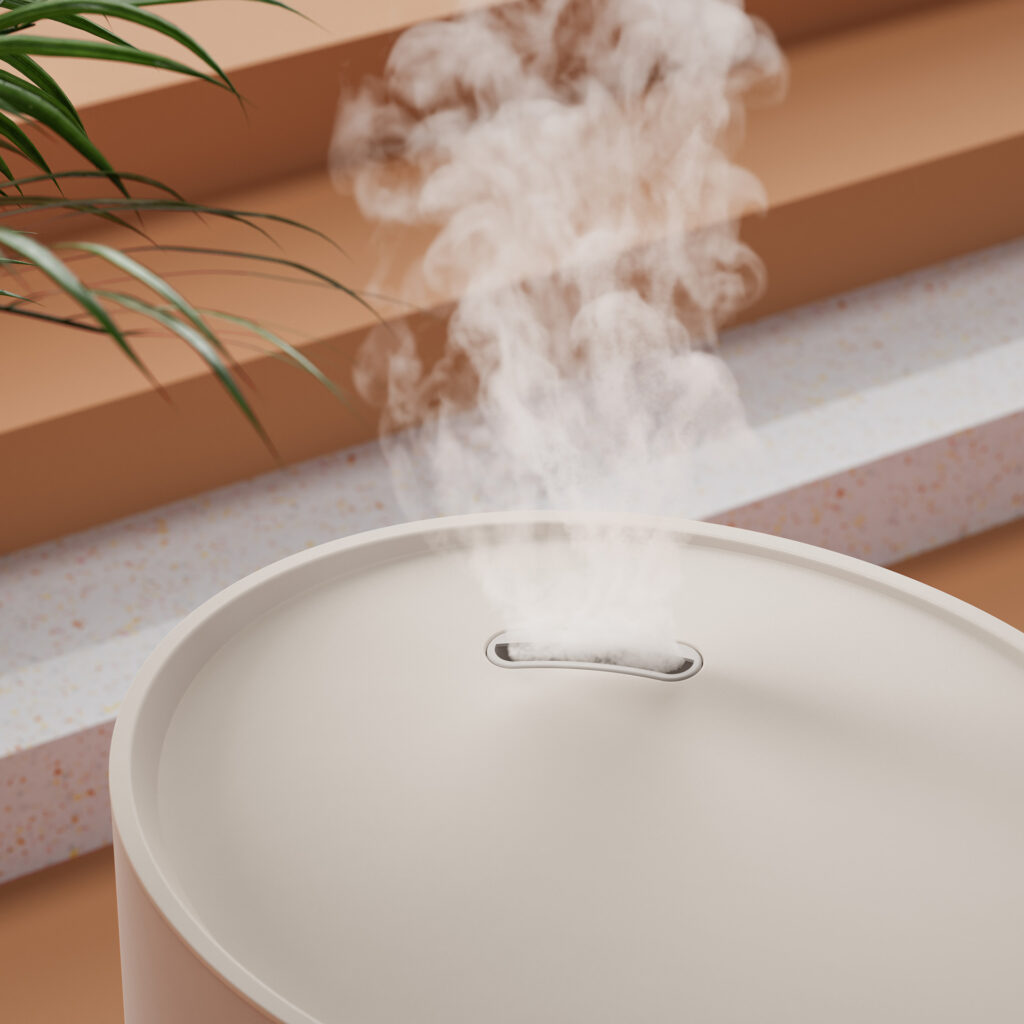
Dry air in the home can cause all sorts of unpleasant symptoms, such as dry skin, irritated eyes, and coughing due to inflamed airways. This is especially common in winter when the heating is on frequently, causing humidity levels to drop quickly. Fortunately, there are several ways to make the air in your home healthier and more comfortable. Here are five practical tips to reduce dry air and improve your indoor climate.
1. Place Bowls of Water on the Radiator
A simple way to increase humidity levels in your home is to place bowls of water on the radiator. Do you remember those old-fashioned water trays that used to hang on radiators? They worked well back then, and they still do! The heat causes the water to evaporate and spread throughout the room. Want to add a subtle fragrance to your home? Simply add a few drops of essential oil for a fresh and relaxing atmosphere.
2. Dry Your Laundry Indoors
Instead of using a tumble dryer, let your laundry dry indoors. This not only helps to increase humidity levels but also saves energy. In winter, in particular, a drying rack with damp clothes can be a natural and effective way to combat dry air.

3. Add Moisture-Loving Plants
Plants not only add beauty to your home but also help maintain humidity levels. Certain plants, such as the areca palm, ferns, and peace lilies, are known for releasing moisture into the air. This way, you get the best of both worlds – healthier air and a greener living space!
4. Use a Humidifier
Want to regulate and monitor your home’s humidity levels optimally? A humidifier is a smart solution. But how does a humidifier work, and what exactly does it do? Simply put, a humidifier adds moisture to the air, helping to maintain a balanced humidity level. There are different types of humidifiers, each with its own method and benefits. The two most common types are ultrasonic humidifiers and cold water evaporators.
Ultrasonic Humidifier
An ultrasonic humidifier turns water into a fine, visible mist using rapid vibrations. This is achieved through a small metal plate that vibrates at an ultrasonic frequency. The mist is then released into the room, quickly increasing humidity levels.
Cold Water Evaporator
A cold water evaporator works with a damp filter and a fan. The filter absorbs water while the fan blows air through it, releasing moisture into the environment. This type of humidifier automatically adjusts to the humidity level in the room, ensuring the air never becomes too damp.
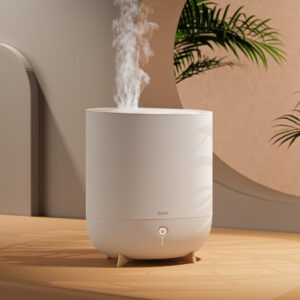
The Neo ultrasonic humidifier releases a fine mist that helps maintain optimal humidity levels. With a humidification capacity of 500 ml per hour and a large 5-litre water tank, it’s perfect for bigger spaces. You can easily control the humidifier via the Duux app or with voice assistants such as Google Assistant and Alexa. This way, you can enjoy a comfortable indoor climate without any hassle!
A humidifier is also ideal for the bedroom, as overly dry air can disrupt sleep. Symptoms such as a dry throat, a blocked nose, or even headaches are often caused by dry air. With a humidifier in your bedroom, you can create a healthier and more comfortable sleeping environment.
5. Monitor Humidity Levels
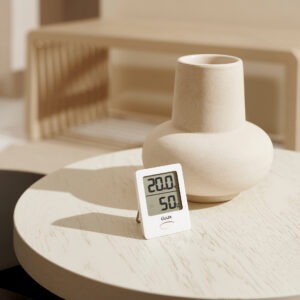
The ideal indoor humidity level is between 40% and 60%. Air that is too dry can cause health issues, while excessive moisture can promote mould growth. A hygrometer is a handy tool to measure humidity levels in your home, allowing you to take action when necessary.
With these tips, you can ensure the air in your home remains healthy and comfortable. Whether you opt for simple solutions like plants and water trays or a powerful humidifier like Neo, maintaining a good indoor climate starts with being mindful of humidity levels.